
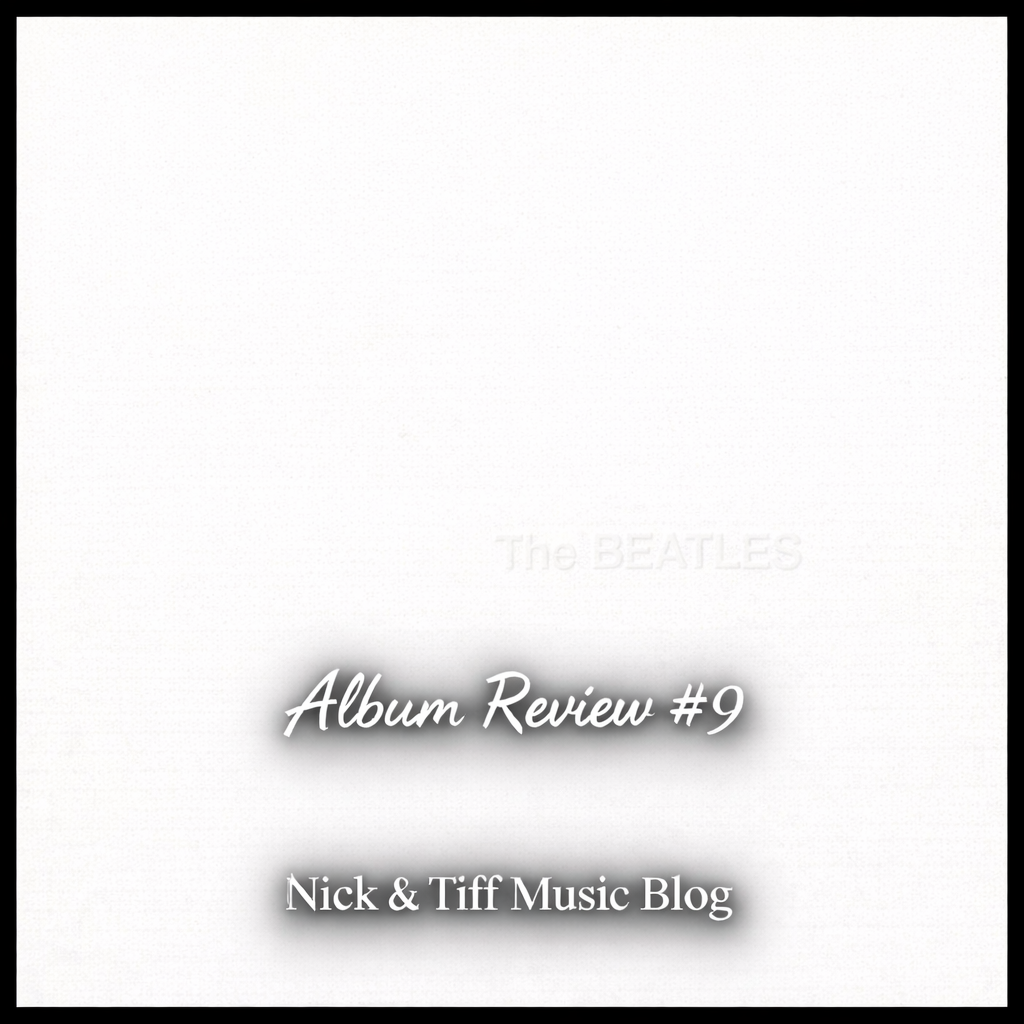
Released in November 1968, The Beatles—universally known as The White Album—is one of the most fascinating records ever made. Stripped of color, branding, and excess, it arrived as a stark contrast to Sgt. Pepper’s Lonely Hearts Club Band. But don’t let the plain white sleeve fool you: this is a sprawling, chaotic, brilliant, often contradictory double album that captures four individuals pulling in different directions… and somehow still making magic.
People often point to the “novelty songs” on The White Album as a flaw, but that argument misses the intent of the album entirely. This record thrives on contrast, experimentation, and unpredictability. Many of the songs that get labeled as novelties are actually strong, memorable tracks that have simply been overshadowed, leaving The White Album with an unusually deep collection of underrated songs. And yet, strangely—and deservedly—the album as a whole has always received an enormous amount of praise.
It probably isn’t an accident that this ended up being Album Review #9. Number 9. Number 9. Number 9. Number 9. Number 9.
Explore more of our Beatles discussions, song meanings & reviews here.
Get weekly album deep dives, playlists, and local music news — delivered free.
Here’s a full track-by-track journey through one of the most daring albums in rock history.
Track-by-Track Breakdown of The White Album
Disc One
- Back in the U.S.S.R.
The album kicks off with a fake jet engine and a knowing wink. Paul McCartney blends Chuck Berry-style rock with Beach Boys harmonies, parodying Cold War paranoia while sounding utterly joyous. It’s playful, subversive, and a reminder that The Beatles could still rock harder than almost anyone.
2. Dear Prudence
John Lennon’s hypnotic finger-picked guitar draws you inward like a slow sunrise. Inspired by Prudence Farrow during the band’s stay in India, the song builds gradually—layer by layer—into a shimmering, almost spiritual release. One of Lennon’s most beautiful compositions.
3. Glass Onion
Lennon toys with Beatles mythology, referencing earlier songs while simultaneously mocking anyone searching for hidden meanings. It’s sharp, sarcastic, and self-aware—John breaking the fourth wall long before it was fashionable.
4. Ob-La-Di, Ob-La-Da
A relentlessly cheerful slice of pop that has divided fans for decades. Paul’s affection for music-hall storytelling is front and center. Whether you find it charming or maddening, it’s undeniably catchy—and unmistakably McCartney.
5. Wild Honey Pie
A brief, bizarre fragment of lo-fi experimentation. More interlude than song, it reflects the album’s anything-goes philosophy.
6. The Continuing Story of Bungalow Bill
A satirical folk tune skewering colonial attitudes and performative heroism. The sing-along chorus contrasts with its biting message, making it both playful and pointed.
7. While My Guitar Gently Weeps
George Harrison steps fully into the spotlight. Inspired by the I Ching, an ancient Chinese philosophical text centered on change and balance, the song is introspective and aching, elevated by Eric Clapton’s searing lead guitar. One of the most emotionally resonant tracks in the Beatles’ entire catalog.
8. Happiness Is a Warm Gun
A three-part composition that veers from tender to menacing to absurd. Lennon’s wordplay and shifting structures mirror obsession and desire in all their contradictions. Bold, unsettling, and brilliant.
9. Martha My Dear
Paul’s classically influenced piano ballad—written about his dog, but sounding like a Victorian love letter. Elegant, melodic, and meticulously arranged.
10. I’m So Tired
Lennon’s weary confession of insomnia and emotional exhaustion. Raw and unpolished, it feels almost uncomfortable in its honesty—especially the muttered frustration near the end.
11. Blackbird
Just Paul, an acoustic guitar, and a foot tap. Written in response to the U.S. civil rights movement, it’s both intimate and quietly powerful. A masterclass in simplicity and meaning. Explore the meaning of “Blackbird” further:
Blackbird Meaning & Song Review – The Beatles (1968)
12. Piggies
George Harrison’s baroque satire skewers greed and social hypocrisy. Its harpsichord and biting lyrics make it one of the album’s sharpest critiques of the upper class.
13. Rocky Raccoon
A tongue-in-cheek Western ballad filled with humor and character. McCartney’s love of storytelling shines, proving The Beatles could embrace silliness without sacrificing craft.
14. Don’t Pass Me By
Ringo Starr’s first solo songwriting credit on a Beatles album. Country-flavored and charmingly off-kilter, it captures Ringo’s earnest personality perfectly.
15. Why Don’t We Do It in the Road?
A primal, bluesy shout that strips rock music down to its barest instincts. Paul’s raw vocal performance is startling in its intensity.
16. I Will
A gentle love song with one of McCartney’s sweetest melodies. Simple, sincere, and timeless.
17. Julia
Lennon’s intimate tribute to his mother reflects a deeply complicated relationship marked by loss, distance, and unresolved emotion. Sparse and fragile, the song blends personal grief with poetic imagery, feeling less like a performance and more like a private moment captured on tape.
Disc Two
18. Birthday
A full-throttle rocker built for celebration. Loud, direct, and irresistibly fun, it shows the band still knew how to cut loose.
19. Yer Blues
Lennon dismantles blues clichés by pushing them to their bleak extreme. Recorded in a tiny room, the claustrophobic sound perfectly matches the song’s despair.
You can dive further into the meaning of “Yer Blues” here.
20. Mother Nature’s Son
Paul retreats into pastoral calm. Inspired by a lecture from the Maharishi, it’s reflective and warm, showcasing McCartney’s gift for melodic storytelling.
21. Everybody’s Got Something to Hide Except Me and My Monkey
Fast, frantic, and bursting with nervous energy. Lennon delivers cryptic lyrics over pounding rhythms, with “Monkey” widely understood as his nickname for Yoko Ono. The result is one of the album’s most intense tracks, capturing both the chaos of new love and the paranoia that surrounded it.
22. Sexy Sadie
A thinly veiled critique aimed at Maharishi Mahesh Yogi, written after Lennon became disillusioned with the man he once trusted. Allegations of inappropriate behavior shattered Lennon’s faith in the spiritual leader and ultimately led him to leave India earlier than expected. That sense of betrayal hangs over the song, softened only slightly by its gentle melody and elegant harmonies.
23. Helter Skelter
Written in response to hearing that The Who had made one of the loudest, heaviest rock songs of the era, Paul McCartney set out to prove that The Beatles could push just as hard—if not harder. The result is one of the most aggressive recordings in the band’s catalog, built on distorted guitars, relentless drumming, and a vocal performance that sounds genuinely unhinged. Rather than polishing the chaos, the band leaned into it, letting the track feel raw, exhausting, and on the verge of collapse. Decades later, Helter Skelter still sounds confrontational, standing as both a rebuttal to critics who said The Beatles couldn’t rock and an early blueprint for what heavy rock—and eventually metal—would become.
24. Long, Long, Long
George Harrison’s quiet spiritual meditation. Subtle and atmospheric, it feels like a whispered prayer after the storm of Helter Skelter.
25. Revolution 1
A slower, more contemplative take on political upheaval. Lennon grapples with activism, doubt, and idealism, asking questions rather than offering slogans.
26. Honey Pie
A nostalgic throwback to 1920s music-hall style. Whimsical and affectionate, it highlights McCartney’s fascination with pre-rock traditions.
27. Savoy Truffle
George’s funky warning about excess, inspired by Eric Clapton’s sweet tooth. The distorted saxophones give it a uniquely gritty texture.
28. Cry Baby Cry
Cry Baby Cry feels like a twisted nursery rhyme, playful on the surface but increasingly unsettling as it unfolds.
29. Revolution 9
An avant-garde sound collage that remains one of the most controversial moments in rock history. Disorienting and unsettling, it challenges listeners’ expectations of what a “Beatles song” could be.
30. Good Night
Ringo closes the album with a lush orchestral lullaby written by Lennon. After everything that came before, it feels like a gentle curtain call—simple, comforting, and oddly perfect.
Support Nick & Tiff Music: As an affiliate these links help support the blog at no extra cost to you-and we truly appreciate it! Thank you for supporting.
Buy The White Album on Vinyl & CD
Shop The Beatles Music, Books, & Merch
Final Thoughts
The world was waiting to see what The Beatles would do next after Sgt. Pepper’s Lonely Hearts Club Band, and the pressure to follow that album was enormous. By the time they began work on The White Album, the band—especially John Lennon—was exhausted, and pulling in different creative directions. Instead of trying to outdo Sgt. Pepper‘s with another tightly unified concept, they went in the complete opposite direction. The polish and cohesion were stripped away in favor of something raw, fragmented, and unpredictable. And somehow, out of that tension and fatigue, they created a 30-song double album that stands as a masterpiece entirely on its own—completely different from the one that came before it. That’s why The Beatles are The Beatles. Only they could follow one landmark album with another by refusing to repeat themselves.
Another remarkable aspect of The Beatles (White Album) is the sheer songwriting range on display from John Lennon and Paul McCartney. On the same album, Paul delivers the quiet elegance of Blackbird and the unhinged ferocity of Helter Skelter, while John moves effortlessly from the meditative beauty of Dear Prudence to the bleak intensity of Yer Blues. That kind of range is something many songwriters never achieve over an entire career—let alone within the span of a single album. It’s yet another reason The White Album continues to stand apart, not just as a collection of songs, but as a showcase of what truly great songwriters are capable of when they refuse to be boxed in.
The White Album isn’t polished. It isn’t unified. And that’s exactly the point. It captures The Beatles at their most human—brilliant, fractured, experimental, and fearless. The sprawl is the statement. Every risk, every odd detour, every moment of beauty or chaos contributes to an album that refuses to be tidy or predictable.
Just another John, Paul, George, and Ringo masterpiece—because of course it is.
What Is the Best Beatles Album? A Look at Their Greatest Records
Like, comment, or share — and let us know your take in the comments.
If you enjoyed this piece, you might enjoy our weekly music discussions, song meaning breakdowns, and full track-by-track album deep dives. You can subscribe below – it’s free.
Browse our posts by Bands & Artists
Bands & Artists | Explore Music Coverage by Artist – Nick & Tiff Music Blog
More From Nick & Tiff Music Blog
Abbey Road Album Review #27: The Beatles’ Farewell Masterpiece
Sgt. Pepper’s Lonely Hearts Club Band Album Review #36: The Beatles’ Psychedelic Masterpiece
The 10 Most Underrated Beatles Songs (In Chronological Order)
The Most Underrated Beatles Songs – Part 2 (11-20) (In Chronological Order)
A Day In The Life – The Beatles Song Review
Eleanor Rigby (1966) Meaning & Song Review – The Beatles
In My Life by The Beatles Meaning: The Beauty Behind a Timeless Classic
Blackbird Meaning & Song Review – The Beatles (1968)
The End by The Beatles Meaning: Abbey Road’s Perfect Final Message
Why Revolver Is The Beatles’ Most Underrated Masterpiece
Same Vibes #2: Lennon & Cobain
Same Vibes #1: The White Album & Vitalogy
The 10 Most Underrated Rolling Stones Songs (In Chronological Order)
The Most Underrated Rolling Stones Songs – Part 2 (11–20) (In Chronological Order)
Gimme Shelter (1969) Meaning & Song Review – The Rolling Stones
Beast of Burden (1978) – Meaning & Song Review – The Rolling Stones
Dead Flowers Meaning & Song Review — The Rolling Stones (1971)
The Rolling Stones – Exile on Main St. (1972) | Album Review #11
Mama Kin – Aerosmith Song Review
See all of our deep dive track-by-track album reviews on our Album Reviews Archives page:
Album Reviews | Nick & Tiff Music Blog
Explore more on the Homepage:
Nick & Tiff Music Blog – ALBUM & SONG REVIEWS – GEAR TALK & STORE UPDATES
Leave a Reply